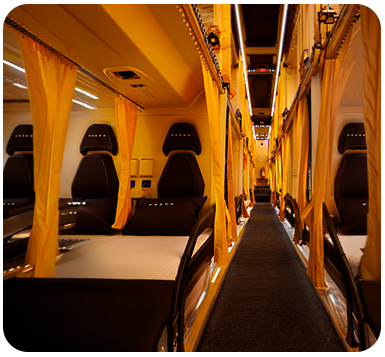
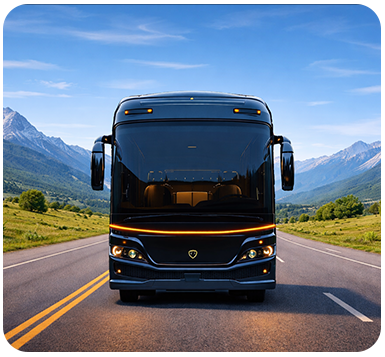
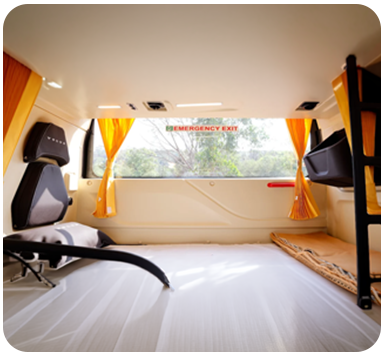
I recently traveled from Ranchi to Kolkata on Bengal Tigers . It was a sleeper bus and I felt the bus was very comfortable and the staff was very friendly and cooperative. Great going Bengal Tigers keep it up.

I was traveling with a huge gang of friends from Kolkata to Ranchi on Bengal Tigers. We were really skeptical about the comfort of the bus. To our surprise, the journey turned out to be very comfortable and we also enjoyed it a lot. The staff on the b...
I travel a lot for work from Ranchi to Kolkata buses and have traveled by almost all bus services. Since my first ride with the Bengal Tigers , I have been their regular customer. The reason is their luxurious buses and their reasonable rates.
Traveling to places through Bengal Tigers is always affordable, convenient, and satisfactory. One of the finest bus operating services. The travel experience was awesome. You guys respect the passengers which none of the travels does. Please keep thi...
We have always tried our best to push our limits in order to develop our travel experience.


With Experienced Captain

Choose E-Tickets

Arrival and Departure

With Our Luxury Buses
Kkaveri Travels is a renowned brand in the bus operating industry. Our vision is to give a new face to the bus industry. Since our inception passenger comfort was our top priority.
We have frequently added luxury buses to our huge number of buses. The only thing we focus on is that the comfort quotient of our passengers should never be compromised.


At Kkaveri Travels, we understand that when it comes to affordable intercity travel you want to be a wise and confident traveler. We offer you a best travel experience with our professional crew
We believe everyone should beable to travel at an affordable price. We understand that travel can be expensive which is why for over many years Express Arrow has provided safe and affordable bus transportation.
Download our mobile app for super fast bookings.
>
When the bus starts and is about to reach you.
>
Book in 30 seconds even on Low Network.
>
Over 200,000 reviews from our customers.
>
Games, offers, Free Rides and a lot more.


Check out our great offers and amazing discount coupons to book bus tickets at the affordable price with us

We are the creators of India's Ist branded buses that guarantee safe & comfortable journeys.
We offer you a complete end-to-end travel experience with our professional crew, round the clock command centre and many other features.


We offer you a complete end-to-end travel experience with our professional crew, round the clock command centre and many other features.
We put all our efforts into making every trip an on-time trip!


At Geepee Travels we are dedicated to providing safe, reliable, and convenient transportation solutions to our valued passengers. With a commitment to excellence and a passion for service. We have been a trusted name in the transportation industry for many years.
We thanking to all our valuable customers!

We accept online payments with all payment modes.

Book your tickets easily via our online App.

Experience our energizing offers and deals.

We ensure 24/7 availability and immediate assistance.

We facilitate special reserved seats for ladies.

Book your tickets easy and convenient via online.


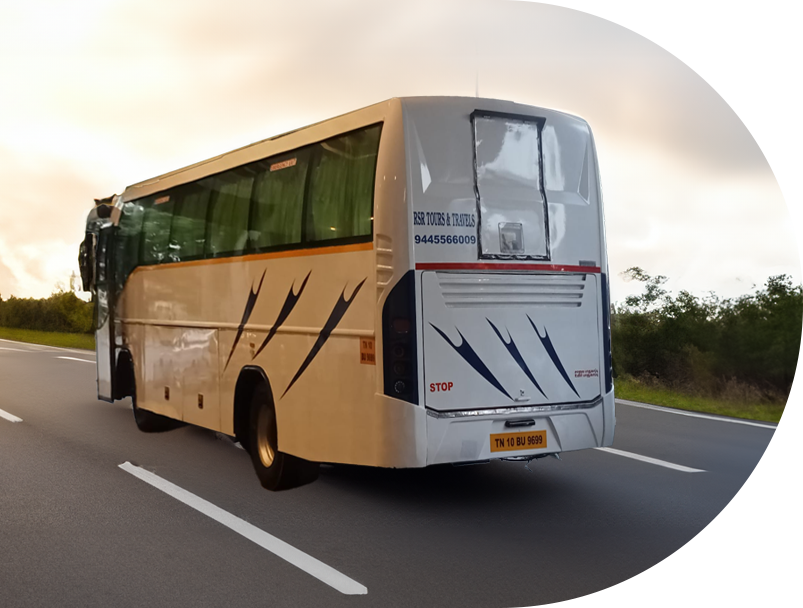
RSR Tours and Travels is a renowned brand in the bus operating industry. Our vision is to give a new face to the bus industry. Since our inception passenger comfort was our top priority. we have frequently added luxury buses to our huge fleet of buses. The only thing we focus on is that the comfort quotient of our passengers should never be compromised. We have always tried our best to push our limits in order to develop our travel experience.
Geepee Travels tourism division began its inbound operations in 1993 and we are the first Government of India recognized tour operator in South India







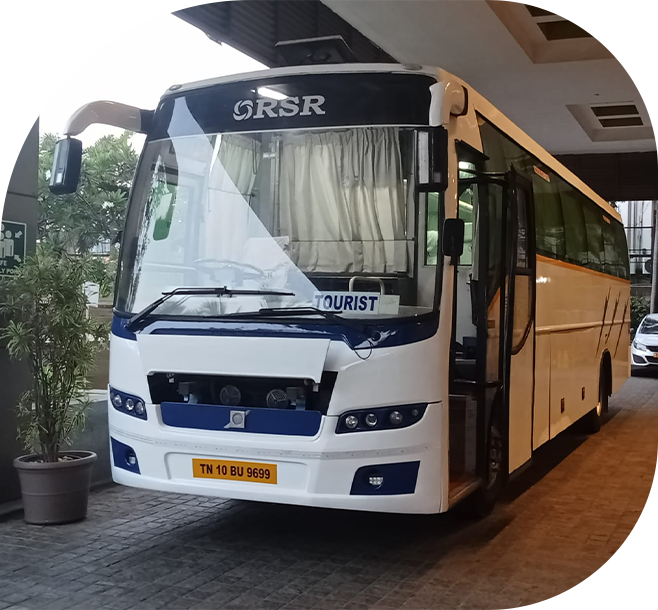

RSR Tours and Travels is one of India's leading passenger mobility companies. Its synonymous with affordable long and short distance travel in South India. We service approximately 4.2 million passengers in our Intercity division every year.
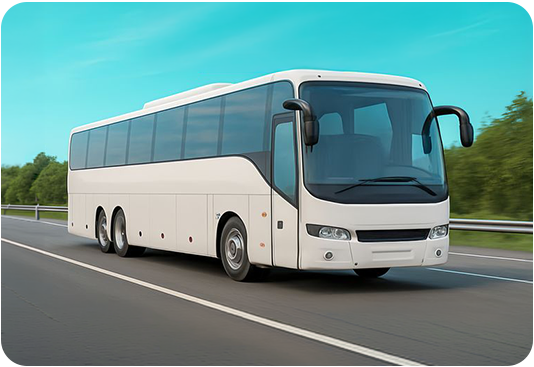
Get exciting cashback on every ticket booking and save more on your travel expenses. Book now using UPI or wallets and enjoy instant cashback credited to your account.

Enjoy a flat percentage discount on the tickets you book, making your travel more affordable. No minimum hassle—just book your seat and instantly save on your fare.
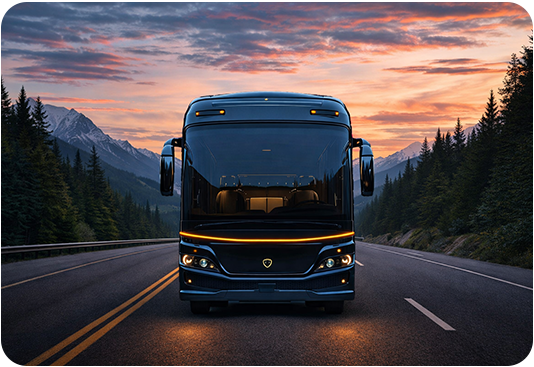

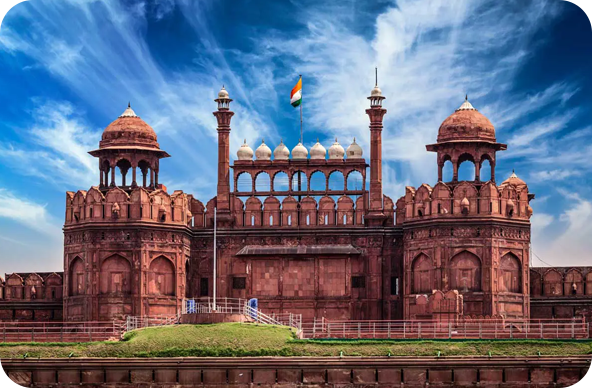
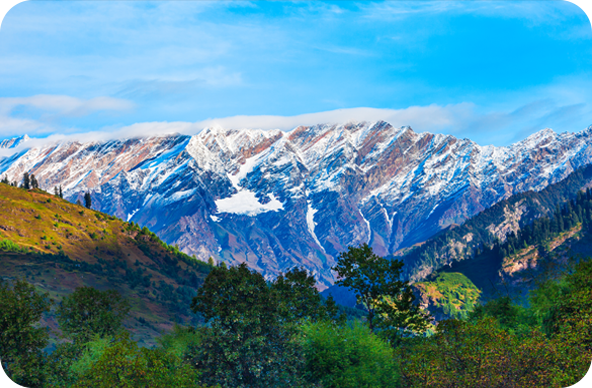
We are the creators of India’s 1st branded buses that guarantee safe & comfortable journeys.
We offer you a complete end-to-end travel experience with our professional crew, round the clock command centre and many other features.






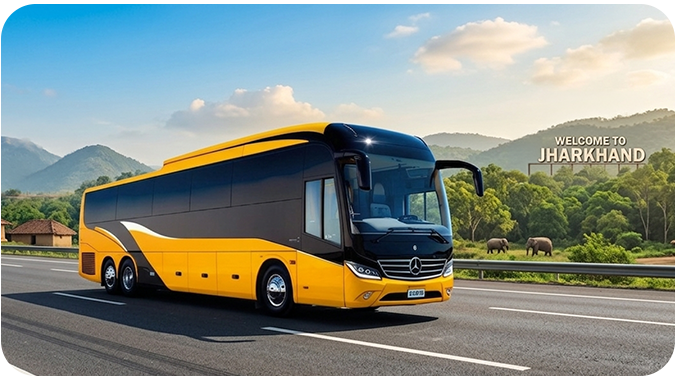
Experience travel redefined with our modern fleet designed for comfort and reliability.
Our well-maintained buses and trained staff make every trip stress-free.